Imagine walking into a bustling corporate office in Victoria Island on a Monday morning. Piles of physical CVs are stacked on a desk, the payroll spreadsheet is crashing due to a macro error, and three different department heads are calling because leave approvals are stuck in an email chain.
Sounds familiar? For many Nigerian enterprises, the Human Resources department—the very heartbeat of the organization—is often bogged down by administrative friction.
As we navigate a fast-paced business environment, the old playbook of managing people strictly through paper files and manual processes is no longer fit for purpose. To remain competitive, resilient, and ready for future growth, Nigerian businesses must embrace an HR Digital Transformation Blueprint powered by Artificial Intelligence (AI) and process automation.
- What is Digital Transformation?

Digital transformation is the integration of digital technology and modern software into all areas of a business, fundamentally changing how the organization operates, optimizes its processes, and delivers value to its customers or employees.
It is much more than just “going paperless” or buying new software; it is a holistic shift in mindset, culture, and operations. True digital transformation involves:
- Process Automation: Replacing manual, repetitive tasks with automated workflows.
- Data-Driven Decision Making: Moving away from gut-feel management to real-time analytics and predictive insights.
- Enhanced Experience: Improving how employees interact with internal systems (like HR or finance) and how clients experience your services.
- Cultural Agility: Building an organizational culture that embraces continuous learning, innovation, and adaptability.
- What is a Digital Transformation Blueprint?
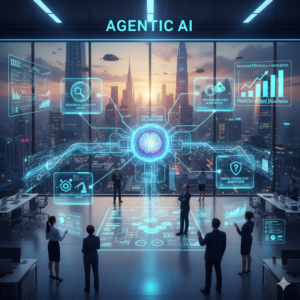
A digital transformation blueprint is a strategic, step-by-step master plan that guides an organization from its current operational state to its desired digital maturity. Think of it as an architectural drawing for your business technology and processes.
Without a blueprint, companies often fall into the trap of “tool-buying fatigue”—purchasing disconnected software applications that don’t talk to each other and fail to solve core problems.
A comprehensive digital transformation blueprint typically includes:
- The Vision & Objectives: Clear alignment on why the transformation is happening and what success looks like (e.g., cutting recruitment cycle time by 50% or automating payroll).
- Current State Assessment (Audit): A detailed audit of existing workflows, tech infrastructure, and employee digital literacy levels to identify critical bottlenecks.
- The Technology Stack: Identification of the right platforms, cloud solutions, or AI tools needed to bridge the gaps (such as an ERP system, learning management system, or automated CRM).
- Change Management Strategy: A structured plan to manage human resistance, provide digital training, and ensure smooth adoption across teams.
- Implementation Roadmap & Milestones: A phased timeline with clear deliverables, key performance indicators (KPIs), and review checkpoints.
The Bottom Line: Digital transformation is the destination, and the blueprint is the navigational map that ensures you get there efficiently without wasting resources.
- Why the Traditional HR Model is Straining Under Pressure

Across Lagos, Abuja, and other commercial hubs, HR leaders face a triple threat: high-volume talent recruitment demands, economic volatility, and rapid technological shifts. When HR professionals spend 80% of their time chasing manual approvals, sorting through hundreds of unqualified resumes, and answering routine policy questions, they have zero time left for strategic workforce planning.
Digital transformation isn’t about replacing humans with machines; it’s about freeing your people from repetitive administrative burdens so they can focus on what truly matters: culture, leadership, and performance.
- The 15-Minute HR Process Audit
Before investing in complex AI tools, you need to understand where your bottlenecks lie. Try this quick exercise with your team this week:
- Step 1: Map One Process: Choose a high-touch process, such as employee onboarding or leave requests. Draw out every single step from start to finish on a whiteboard or digital notepad.
- Step 2: Identify the Friction: Highlight every point where human data re-entry, physical paper, or email approval bottlenecks occur.
- Step 3: Calculate the Cost: Estimate how many man-hours your team spends per month on those highlighted steps.
- Step 4: Define the Tech Fix: Ask yourself: Can this specific step be automated via a simple workflow tool or chatbot?
- The Core Pillars of HR Digital Transformation

- Intelligent Recruitment: Implementing AI-powered CV screening tools to quickly match candidates to job descriptions, cutting down shortlisting time significantly while mitigating unconscious bias.
- Conversational Self-Service: Deploying AI assistants to handle frequent employee inquiries regarding benefits, payroll schedules, and company policies 24/7.
- Data-Driven Decision Making: Moving from gut-feel management to predictive workforce analytics that spot retention risks and map out succession planning proactively.
- Compliance & Data Privacy: Ensuring all digital architecture strictly adheres to the Nigeria Data Protection Regulation (NDPR) standards.
- What the numbers are saying

Only 16% to 35% of organizations successfully execute, achieve, and sustain their digital transformation objectives over the long term.
Companies that lead in digital integration are 67% more resilient during market shocks and economic downturns. (cfowapps.com/digital-transformation-statistics).
Organizations that prioritize cultural change alongside technology achieve 5.3x higher success rates than those that focus purely on software deployment.
Organizations that prioritize cultural change alongside technology achieve 5.3x higher success rates than those that focus purely on software deployment. (blog.mavim.com)
Organizations that fail to adapt efficiently lose an average of 12% of their annual revenue through missed market opportunities, operational inefficiencies, and wasted capital. (integrate.io)
KEYNOTE
The data shows that technology failure is rarely a software problem; it is almost always a people and process problem. Companies that succeed treat digital transformation as an organizational evolution—investing heavily in change management, employee upskilling, and workflow optimization before buying new tools.
- Positioning Organizations in the Top Tier of Digital Leaders

Moving an enterprise from the vulnerable middle tier into the elite group of successful digital adapters requires a disciplined, human-centric framework. Based on proven benchmarks from global strategy firms, positioning your organization or clients safely at the top depends on specific operational pivots.
- Secure Leadership and Middle-Management Ownership
- Define Value-Driven Goals: Tie digital initiatives directly to quantifiable business outcomes rather than purchasing software for its own sake.
- Engage Middle Management: Transform middle managers into active accountability drivers to prevent execution bottlenecks.
- Launch High-Impact Lighthouse Projects
- Start Small and Fast: Execute short-term pilot projects that demonstrate immediate return on investment and build organizational confidence.
- Reinvest Early Gains: Channel profits and insights from initial wins into broader, long-term scaling initiatives.
III. Balance Tech Integration with Continuous Upskilling
- Invest in Human Capital: Dedicate resources to change management, pairing every software dollar with an equal investment in user training.
- Adopt Agile Operating Models: Break down rigid departmental silos, favoring cross-functional teams that solve specific operational problems collaboratively.
- Construct a Modular Technology Core
- Adopt Scalable Architecture: Utilize flexible data lakes and API integrations to allow systems to evolve without breaking core functions.
- Leverage Strategic Partnerships: Collaborate with specialized management consultants and digital learning providers (like Coinbox Limited) to plug internal skill gaps instantly.
NOTE: Digital transformation is fundamentally an organizational evolution. Technology is merely the accelerator; human capability and structured processes drive the engine.
- The 4-Pillar Digital Readiness Audit Framework
To move an organization out of the vulnerable middle tier of digital adapters, you must first run an objective health check. This diagnostic framework evaluates readiness across four core pillars before any major software or AI investments are made.
- Leadership Alignment & Strategic Intent
- The Core Question: Are digital goals tied directly to business outcomes, or are we just buying software because it is trendy?
- Evaluation Criteria:
- Executive Sponsorship: Do senior leaders actively sponsor and champion the transformation, or is it delegated entirely to the IT department?
- Metric Clarity: Are success indicators clearly defined (e.g., reducing hiring cycle times by 40% or cutting administrative processing costs)?
- 2. Process Mapping & Lighthouse Project Potential
- The Core Question: Have we identified high-impact, low-complexity workflows to test our capabilities?
- Evaluation Criteria:
- Process Documentation: Are core operational workflows clearly mapped out, or do they rely on tribal knowledge and informal email chains?
- Quick-Win Identification: Can you pinpoint a specific “lighthouse” process (such as automated leave approvals or digital CV screening) that can be digitized within 30 days to build momentum?
- Workforce Digital Literacy & Change Capacity
- The Core Question: Does the team have the skill runway and cultural openness to absorb new digital tools?
- Evaluation Criteria:
- Skill Gap Analysis: Is there a clear map of current employee digital proficiencies versus the skills needed for future operations?
- Change Management Readiness: How does the organization traditionally handle transitions? Is there a structured training and continuous upskilling plan in place?
- Technology Infrastructure & Ecosystem Support
- The Core Question: Is our core tech stack flexible enough to scale, or are we building on fragile legacy systems?
- Evaluation Criteria:
- Data Integrity & Security: Are company records centralized and compliant with data protection laws (such as the NDPR), or is data trapped in isolated silos?
- Strategic Partnerships: Do you have trusted external consultants and digital learning providers on standby to plug internal resource and expertise gaps?
Translating the Audit into an Action Roadmap
Once you complete the audit across these four pillars, score each area on a scale from 1 (Initial/Ad-hoc) to 4 (Optimized/Managed).
- Scores of 1–2 indicate that you must pause software purchases and focus heavily on process cleanup, leadership alignment, and foundational upskilling.
- Scores of 3–4 mean the organization is ready to scale rapidly with advanced automation, predictive analytics, and integrated AI frameworks.
- How Coinbox Limited and Zanahub Can Partner With You
Transforming your HR function doesn’t mean you have to figure it all out alone. This is where specialized expertise makes all the difference:
- Coinbox Limited:

- As a premier management and human resources consulting firm, Coinbox helps organizations redesign their operational structures, build robust competency frameworks, implement effective compensation strategies, and audit existing HR workflows for seamless tech integration.
- Zanahub (zanahub.com):
- Digital transformation fails without digital competence. Zanahub provides a cutting-edge e-learning platform and corporate learning management systems designed to upskill your workforce, deliver continuous digital training, and ensure your team stays ahead of modern workplace trends.
Together, Coinbox and Zanahub provide the end-to-end bridge—from strategic consulting and workflow re-engineering to digital learning and team upskilling.
The Bottom Line: Technology is the accelerator, but people are the engine. By automating the routine, you empower your organization to unlock its highest potential.
📌 Take Action
Is your organization ready to transition from reactive administration to proactive, tech-driven growth?
- Drop a comment below: What is your biggest HR bottleneck right now—recruitment volume or manual payroll processes?
- Connect with us: Visit Coinbox Limited (www.coinboxlimited.com.ng) for expert HR restructuring advisory or check out zanahub.com to explore corporate digital upskilling solutions for your team.
- Contact us by phone on +2349093929847, +2349036563106
- Contact us by email at info@coinboxlimited.com.ng, coinboxlimited@gmail.com
- Like and Subscribe to this newsletter for weekly insights on management, technology, and business strategy in Nigeria.
Ayo Emakhiomhe.